- Our Offer
- Your investment opportunities
- Plan B & Emigrate
- News
- Panama
- Team
- Contact



Living in Panama – experiences, challenges and what you really need to know
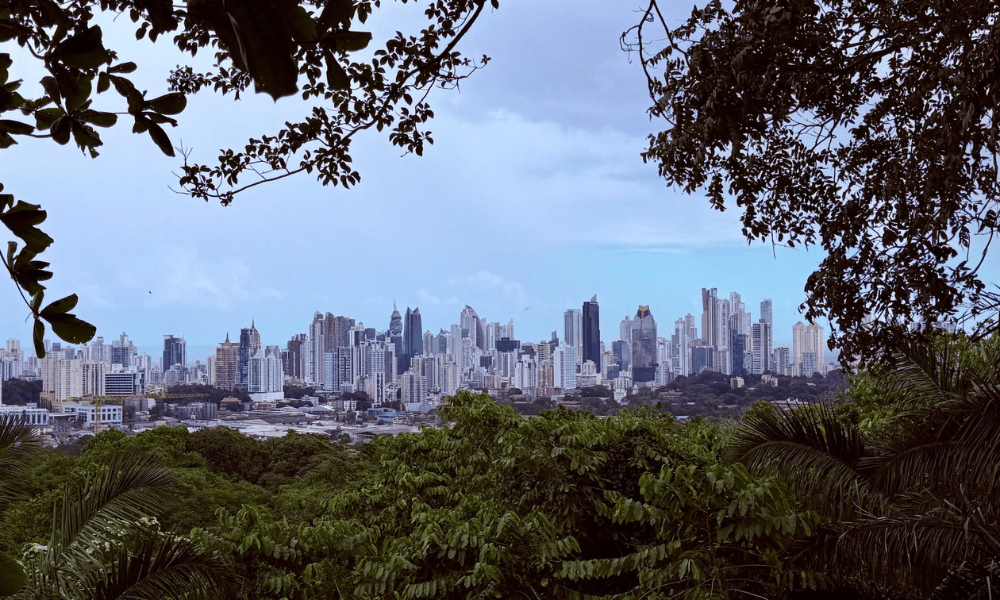
Many people who are considering a Plan B in Panama, real estate in Panama or emigrating to Panama ask themselves an important question:
Is everything really as easy as it is often portrayed?
After many years in Panama, I can say that Panama is an excellent country to live in, invest in and for a personal Plan B. At the same time, many things work differently than in the UK or Europe.
And that is exactly what I would like to talk about openly in this article.
1. Bureaucracy and Processes sometimes take longer
Panama is organised in a much more relaxed manner than many European countries. In practice, this means that some processes take more time.
A good example is opening a bank account, which can take several weeks. Administrative procedures are also often less strictly timed than in the United Kingdom.
However, this does not mean that things do not work – you just need a little more patience.
2. A different Working Culture
One aspect that many Europeans underestimate at first is the different work culture.
In Panama, work processes are often less structured than in the UK. Deadlines are viewed more flexibly, and it is completely normal to occasionally remind employees or partners of tasks.
Personal relationships play a much greater role than in many European countries.
You are currently viewing a placeholder content from YouTube. To access the actual content, click the button below. Please note that doing so will share data with third-party providers.
More Information3. Language: Lots of English – but not everywhere
English is spoken relatively widely in Panama City, especially compared to other Latin American countries. English is particularly common in international business, real estate and hotels.
Nevertheless, not everyone speaks English, of course. Spanish is often the most important language, especially in government offices, local service providers and smaller shops.
The good news is that people in Panama are very friendly and helpful. Even if you don’t speak perfect Spanish, many people will try to help you and find a solution.
4. Less public Market Data in the Real Estate Sector
One point is important for investors: the property market in Panama works somewhat differently than in the UK.
There are no central databases with decades of market statistics or extensive historical price series.
This means:
- less publicly available data
- a more project-based market
- local market knowledge is particularly important
Many interested parties first focus on life in the country and later find out about the various investment opportunities.
5. Differences in Mentality
Panama is a Latin American country – and the mentality there is very different from that in Central Europe.
Many things are more relaxed, less formal and more relationship-oriented.
This can take some getting used to for people from Germany at first. However, after a while, many come to appreciate this way of life.
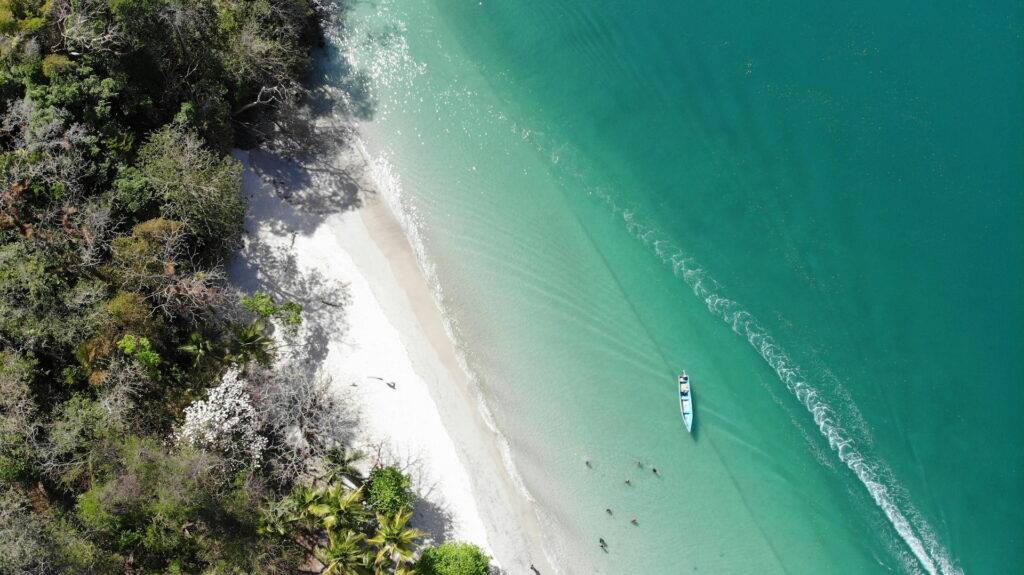
6. Climate and Rainy Season
Panama has a tropical climate with relatively distinct seasons.
- Dry season: December to April
- Light rainy season: June to mid-September
- Heavy rainy season: mid-September to mid-November
Rainfall is often short and intense. Afterwards, the sun often shines again.
Why I deliberately address these points openly
Many people are looking for honest testimonials about life in Panama.
My experience shows that Panama is an exceptionally attractive country to live and invest in – but it works differently than the United Kingdom.
Anyone who is fundamentally considering a Plan B abroad will find interesting opportunities for residence, investment and entrepreneurial activities in Panama.
Living and emigrating to Panama
If you wish to live in Panama for a longer period of time, you will need a residence permit. Panama offers various programmes and visa options for this purpose.
Frequently asked questions about living in Panama
Is Panama a good country to emigrate to?
Panama is one of the most popular countries for expats in Latin America. Reasons for this include the stable US dollar economy, good infrastructure in Panama City, and various residency programmes for investors and entrepreneurs.
Do they speak English in Panama?
English is spoken relatively widely in Panama City, especially compared to other Latin American countries. Outside the capital, however, Spanish is much more important.
What are the challenges of living in Panama?
Frequently cited challenges include a more relaxed bureaucracy, cultural differences in working practices, and the rainy season between June and November.
Do you need a visa to live in Panama?
Yes. Anyone who wants to live in Panama permanently needs a residence permit. Panama offers various programmes for this purpose, for example for investors or pensioners.
FRAPAN-Invest
Klaus Happ’s company “FRAPAN-Invest” advises investors who want to invest in real estate in Panama. Furthermore, Klaus Happ will be happy to advise you personally on the subject of “Plan B in Panama”.
The real estate market in Panama is internationally one of the most interesting for investments. We would like to be your trusted local partner and assist you with the initial purchase. Additionally, we can take care of your real estate in Panama in a sustainable way.
Profitable, safe and beautiful:
Investments in Panama
Mit der Kombination aus unserer jahrzehntelangen Finanzmarkt- und Immobilienerfahrung, der Kenntnis des Immobilienmarktes in Panama und den sehr guten Kontakten im Land biete ich unseren Kunden einen Rundum-Service für Immobilien in Panama.